Description
Heavy and Light Amino Acids are used to specifically analyze protein expression by mass spectrometry using stable isotope labeling with amino acids in cell culture (SILAC) quantification kits. Store at 2 - 8ËšC.Efficient - % label incorporation into proteins of living cells Flexible - different isotopes of heavy and/or light amino acids for arginine, lysine, leucine and proline enable the quantitation of peptides derived from MS-grade proteases Multiplex capabilities - several alternative isotopes of arginine and lysine are available that allow the analysis of multiple treatment conditions in each experiment High-quality supplements - heavy amino acids with>99% isotope purityThis is a lyophilized preparation of L-Arginine-HCl, sufficient for 1 SILAC experiment. Stable isotope labeling with amino acids in cell culture (SILAC) is a powerful method to identify and quantify relative differential changes in complex protein samples. This approach entails the in vivo metabolic incorporation of "heavy" 13C- or 15N-labeled amino acids into proteins followed by mass spectrometry (MS) for the accelerated and comprehensive identification, characterization and quantitation of proteins. Thermo Scientific Heavy and Light Amino Acids for SILAC are used together with specialized cell culture media that are deficient in essential amino acids. Heavy and light L-lysine and L-arginine are the most common amino acids used for SILAC analysis of tryptic peptides. Up to three different experimental conditions can be readily analyzed with different isotopes of lysine and arginine. For lysine three-plex experiments, 4,4,5,5- L-lysine and 13C6 15N2 L-lysine are used to generate peptides with 4- and 8-Da mass shifts, respectively, compared to peptides generated with light lysine. For arginine three-plex experiments, 13C6 L-arginine and 13C6 15N4 L-arginine are used to generate peptides with 6- and 10-Da mass shifts, respectively, compared to peptides generated with light arginine. L-leucine
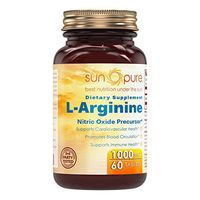
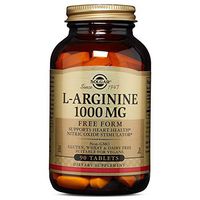
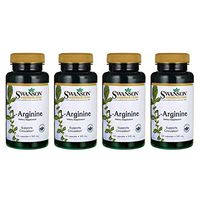
89989 - L(+)-Arginine Hydrochloride for SILAC - Size : 50 mg - Each (50mg)
Price is below average
Current Price
$42.81
Average
$45.91
Min Price
$41.42
Max Price
$62.49
Price dynamics
7%
Description
Heavy and Light Amino Acids are used to specifically analyze protein expression by mass spectrometry using stable isotope labeling with amino acids in cell culture (SILAC) quantification kits. Store at 2 - 8ËšC.Efficient - % label incorporation into proteins of living cells Flexible - different isotopes of heavy and/or light amino acids for arginine, lysine, leucine and proline enable the quantitation of peptides derived from MS-grade proteases Multiplex capabilities - several alternative isotopes of arginine and lysine are available that allow the analysis of multiple treatment conditions in each experiment High-quality supplements - heavy amino acids with>99% isotope purityThis is a lyophilized preparation of L-Arginine-HCl, sufficient for 1 SILAC experiment. Stable isotope labeling with amino acids in cell culture (SILAC) is a powerful method to identify and quantify relative differential changes in complex protein samples. This approach entails the in vivo metabolic incorporation of "heavy" 13C- or 15N-labeled amino acids into proteins followed by mass spectrometry (MS) for the accelerated and comprehensive identification, characterization and quantitation of proteins. Thermo Scientific Heavy and Light Amino Acids for SILAC are used together with specialized cell culture media that are deficient in essential amino acids. Heavy and light L-lysine and L-arginine are the most common amino acids used for SILAC analysis of tryptic peptides. Up to three different experimental conditions can be readily analyzed with different isotopes of lysine and arginine. For lysine three-plex experiments, 4,4,5,5- L-lysine and 13C6 15N2 L-lysine are used to generate peptides with 4- and 8-Da mass shifts, respectively, compared to peptides generated with light lysine. For arginine three-plex experiments, 13C6 L-arginine and 13C6 15N4 L-arginine are used to generate peptides with 6- and 10-Da mass shifts, respectively, compared to peptides generated with light arginine. L-leucine
Price will be lower
in next 2 weeks
in next 2 weeks
According to the data, price will be lower in next two weeks, so not waste your money and track better price!