If you're accustomed to using a Canon SLR, the D30's features and controls will be familiar. As with film models, the shutter speed, aperture, and focus can all be set manually or automatically. White balance can also be adjusted, either by selecting a preset value or by shooting and storing a reference image. Unlike most digital cameras, the traditional optical viewfinder is the only way to frame your shots; the 1.8-inch LCD monitor on the back of the camera is for perusing images and adjusting settings only. One bonus of this arrangement is that the D30 is always ready to take pictures; you don't have to worry about changing modes as you must on most digital cameras.
The introduction of the D30 also marks the first use of a CMOS sensor in a multimegapixel digital camera. Because CMOS sensors are less expensive, use less power, and are easier to manufacture than the traditional CCD sensors found on most cameras, there are high hopes that CMOS will be the primary sensor technology for the super-high resolution digital cameras of tomorrow. Until now, however, CMOS sensors have offered inferior results when compared to CCD, so they've been found primarily in entry-level and toy digital cameras. Canon seems to have solved the image-quality problem by custom designing the CMOS chip in the D30, and the company claims that their sensor offers better performance than most CCD sensors.
Images are stored
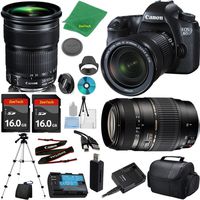
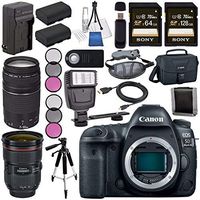
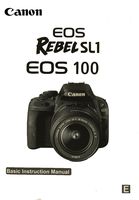
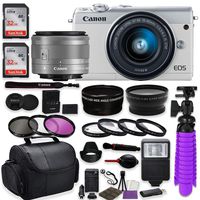
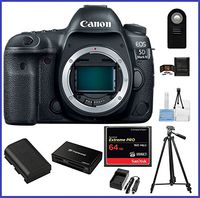
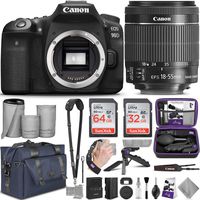
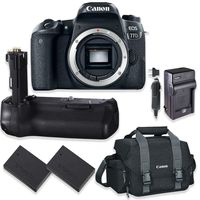
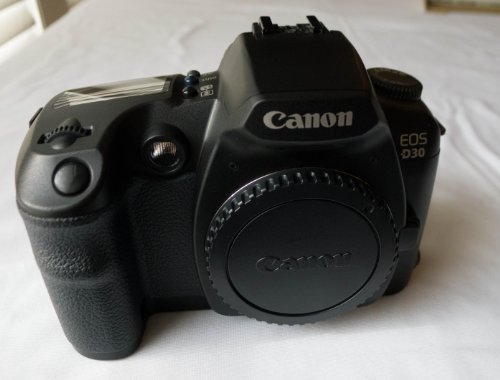
Canon EOS D30 3MP Digital SLR Camera (Body Only)
If you're accustomed to using a Canon SLR, the D30's features and controls will be familiar. As with film models, the shutter speed, aperture, and focus can all be set manually or automatically. White balance can also be adjusted, either by selecting a preset value or by shooting and storing a reference image. Unlike most digital cameras, the traditional optical viewfinder is the only way to frame your shots; the 1.8-inch LCD monitor on the back of the camera is for perusing images and adjusting settings only. One bonus of this arrangement is that the D30 is always ready to take pictures; you don't have to worry about changing modes as you must on most digital cameras.
The introduction of the D30 also marks the first use of a CMOS sensor in a multimegapixel digital camera. Because CMOS sensors are less expensive, use less power, and are easier to manufacture than the traditional CCD sensors found on most cameras, there are high hopes that CMOS will be the primary sensor technology for the super-high resolution digital cameras of tomorrow. Until now, however, CMOS sensors have offered inferior results when compared to CCD, so they've been found primarily in entry-level and toy digital cameras. Canon seems to have solved the image-quality problem by custom designing the CMOS chip in the D30, and the company claims that their sensor offers better performance than most CCD sensors.
Images are stored
in next 2 weeks