Description
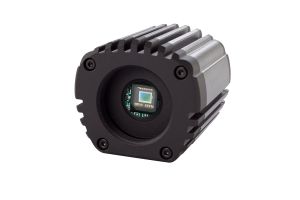
Skyris combines the unmatched expertise of The Imaging Source, with Celestron’s innovative industrial design. Whether you're an advanced user or a beginner, you'll love creating beautiful astroimages with these easy-to-use cameras. Capture the Sun, Moon, and planets like never before and create crisp, high-resolution images. Skyris is capable of super-fast image download and Skyris’ CMOS sensor is capable of capturing up to 200 frames per second when subframed on planets. Or image the full 1.2 megapixel 1/3-inch sensor at 60 frames per second-great for lunar and solar imaging. CMOS technology is emerging as the hottest thing in imaging, and Aptina’s AR0132 sensor leads the way. This updated version of the popular MT9M034 sensor offers the perfect combination of speed, sensitivity, and value. Skyris 132M is a monochrome camera, offering you the most sensitivity for capturing the best possible astroimages. Attach the specially designed Skyris Filter Wheel to image in color. Skyris also features a Celestron-designed camera body, which helps dissipate heat to minimize the effect of thermal noise on the CCD. Skyris cameras do not have an optical window, which makes cleaning your camera easier and ensures maximum light transmission with no risk of internal reflections. All Skyris cameras include Celestron iCap capture software and stacking software (for Windows systems only). This software suite allows you to easily control the camera, capture, and export your images or movie files. With a 1.25" nosepiece and 10' USB 3.0 cable included, Skyris has everything you need to get started with lunar, solar, or planetary imaging. Skyris cameras also make excellent auto guiders. If used with a Celestron mount, Skyris connects as a DirectShow device or WDM-style webcam. Skyris works with popular software like Maxim DL or freeware like PHD Guiding.
Celestron 95509 Skyris 132 M CMOS (Black)
Current Price
$621.12
Average
$420.81
Min Price
$136.77
Max Price
$1 164.4
Price dynamics
32%
Description
Skyris combines the unmatched expertise of The Imaging Source, with Celestron’s innovative industrial design. Whether you're an advanced user or a beginner, you'll love creating beautiful astroimages with these easy-to-use cameras. Capture the Sun, Moon, and planets like never before and create crisp, high-resolution images. Skyris is capable of super-fast image download and Skyris’ CMOS sensor is capable of capturing up to 200 frames per second when subframed on planets. Or image the full 1.2 megapixel 1/3-inch sensor at 60 frames per second-great for lunar and solar imaging. CMOS technology is emerging as the hottest thing in imaging, and Aptina’s AR0132 sensor leads the way. This updated version of the popular MT9M034 sensor offers the perfect combination of speed, sensitivity, and value. Skyris 132M is a monochrome camera, offering you the most sensitivity for capturing the best possible astroimages. Attach the specially designed Skyris Filter Wheel to image in color. Skyris also features a Celestron-designed camera body, which helps dissipate heat to minimize the effect of thermal noise on the CCD. Skyris cameras do not have an optical window, which makes cleaning your camera easier and ensures maximum light transmission with no risk of internal reflections. All Skyris cameras include Celestron iCap capture software and stacking software (for Windows systems only). This software suite allows you to easily control the camera, capture, and export your images or movie files. With a 1.25" nosepiece and 10' USB 3.0 cable included, Skyris has everything you need to get started with lunar, solar, or planetary imaging. Skyris cameras also make excellent auto guiders. If used with a Celestron mount, Skyris connects as a DirectShow device or WDM-style webcam. Skyris works with popular software like Maxim DL or freeware like PHD Guiding.
Price will be lower
in next 2 weeks
in next 2 weeks
According to the data, price will be lower in next two weeks, so not waste your money and track better price!
Product review & video
What telescope did you use to take all those shots? Where did you shoot from? What kind of sight is it? You mentioned pixel size 3.78 Do you reduce your magnification to get the right ratio? How many pixels per inch or... ...what's the optimum for planetary imaging?


Similar products