- HomeElectronicsComputers & AccessoriesComputer Accessories & PeripheralsCables & InterconnectsUSB Cables
Description
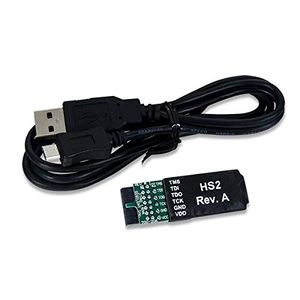
The joint test action group (JTAG) HS2 programming cable is a high-speed
programming solution for Xilinx field-programmable gate arrays (FPGAs).
The cable is fully compatible will all Xilinx tools and can be seamlessly
driven from iMPACT, ChipScope, and EDK. The HS2 attaches to target boards
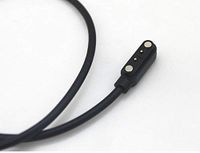
using Digilent's 6-pin, 100-mil spaced programming header or Xilinx's 2x7,
2mm connector and the included adaptor. The PC powers the JTAG-HS2 through
the USB port and will recognize it as a Digilent programming cable when
connected to a PC, even if the cable is not attached to the target board.
The HS2 has a separate Vdd pin to supply the JTAG signal buffers. The
high-speed 24mA three-state buffers allow target boards to drive the HS2
with signal voltages from 1.8V to 5V and bus speeds of up to 30MBit/sec. To
function correctly, the HS2's Vdd pin must be tied to the same voltage
supply that drives the JTAG port on the FPGA. The JTAG bus can be shared
with other devices as systems hold JTAG signals at high-impedance except
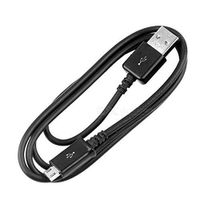
when actively driven during programming. The HS2 comes included with a
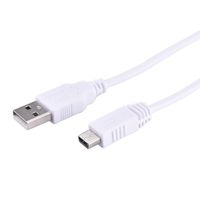
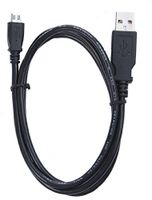
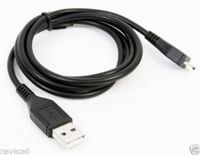
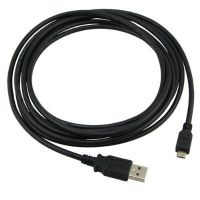
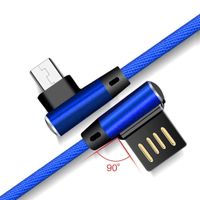
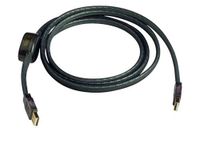
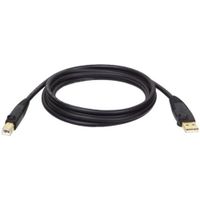
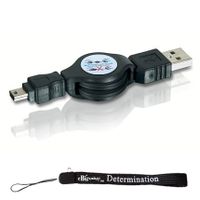
standard Type-A to Micro-USB cable that attaches to the end of the module
opposite the system board connector. The system board connector should hold
the small and light HS2 firmly in place.
programming solution for Xilinx field-programmable gate arrays (FPGAs).
The cable is fully compatible will all Xilinx tools and can be seamlessly
driven from iMPACT, ChipScope, and EDK. The HS2 attaches to target boards
using Digilent's 6-pin, 100-mil spaced programming header or Xilinx's 2x7,
2mm connector and the included adaptor. The PC powers the JTAG-HS2 through
the USB port and will recognize it as a Digilent programming cable when
connected to a PC, even if the cable is not attached to the target board.
The HS2 has a separate Vdd pin to supply the JTAG signal buffers. The
high-speed 24mA three-state buffers allow target boards to drive the HS2
with signal voltages from 1.8V to 5V and bus speeds of up to 30MBit/sec. To
function correctly, the HS2's Vdd pin must be tied to the same voltage
supply that drives the JTAG port on the FPGA. The JTAG bus can be shared
with other devices as systems hold JTAG signals at high-impedance except
when actively driven during programming. The HS2 comes included with a
standard Type-A to Micro-USB cable that attaches to the end of the module
opposite the system board connector. The system board connector should hold
the small and light HS2 firmly in place.
Digilent JTAG-HS2 Programming Cable
Current Price
$78.47
Average
$71.51
Min Price
$41.93
Max Price
$110.78
Price dynamics
9%
Description
The joint test action group (JTAG) HS2 programming cable is a high-speed
programming solution for Xilinx field-programmable gate arrays (FPGAs).
The cable is fully compatible will all Xilinx tools and can be seamlessly
driven from iMPACT, ChipScope, and EDK. The HS2 attaches to target boards
using Digilent's 6-pin, 100-mil spaced programming header or Xilinx's 2x7,
2mm connector and the included adaptor. The PC powers the JTAG-HS2 through
the USB port and will recognize it as a Digilent programming cable when
connected to a PC, even if the cable is not attached to the target board.
The HS2 has a separate Vdd pin to supply the JTAG signal buffers. The
high-speed 24mA three-state buffers allow target boards to drive the HS2
with signal voltages from 1.8V to 5V and bus speeds of up to 30MBit/sec. To
function correctly, the HS2's Vdd pin must be tied to the same voltage
supply that drives the JTAG port on the FPGA. The JTAG bus can be shared
with other devices as systems hold JTAG signals at high-impedance except
when actively driven during programming. The HS2 comes included with a
standard Type-A to Micro-USB cable that attaches to the end of the module
opposite the system board connector. The system board connector should hold
the small and light HS2 firmly in place.
programming solution for Xilinx field-programmable gate arrays (FPGAs).
The cable is fully compatible will all Xilinx tools and can be seamlessly
driven from iMPACT, ChipScope, and EDK. The HS2 attaches to target boards
using Digilent's 6-pin, 100-mil spaced programming header or Xilinx's 2x7,
2mm connector and the included adaptor. The PC powers the JTAG-HS2 through
the USB port and will recognize it as a Digilent programming cable when
connected to a PC, even if the cable is not attached to the target board.
The HS2 has a separate Vdd pin to supply the JTAG signal buffers. The
high-speed 24mA three-state buffers allow target boards to drive the HS2
with signal voltages from 1.8V to 5V and bus speeds of up to 30MBit/sec. To
function correctly, the HS2's Vdd pin must be tied to the same voltage
supply that drives the JTAG port on the FPGA. The JTAG bus can be shared
with other devices as systems hold JTAG signals at high-impedance except
when actively driven during programming. The HS2 comes included with a
standard Type-A to Micro-USB cable that attaches to the end of the module
opposite the system board connector. The system board connector should hold
the small and light HS2 firmly in place.
Price will be lower
in next 2 weeks
in next 2 weeks
According to the data, price will be lower in next two weeks, so not waste your money and track better price!
Product review & video
wait JTAG hs3 programming kala comes in its gonna come in a little bit the bubble wrap back like this open it up just get a little mini USB cable as well as your actual JTAG interface here so just plug that guy in there so now this will be able to plug into the two by ten JTAG header on most agree FPGA boards digital imports as well as boards made by other companies and now this will not work with microcontrollers


Similar products