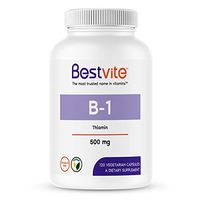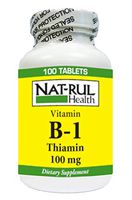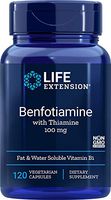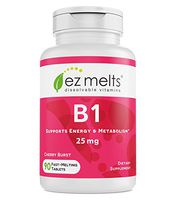
Description
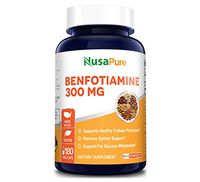
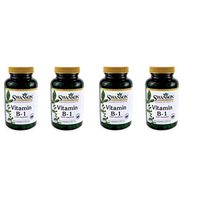
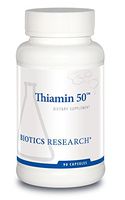
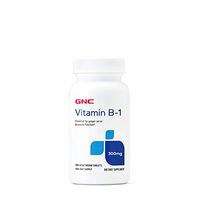
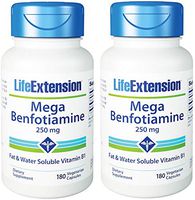
Vitamin B1, also known as thiamine, was one the first organic compounds to be recognized as a vitamin. Like all the other B complex vitamins, it is water soluble and not stored in the body. Rather, excess amounts of B1 will be excreted. And like the other B vitamins, it helps the body convert the foods we eat into usable fuel to maintain life-sustaining functions. Vitamin B1 must be in adequate supply for aerobic energy production to take place. This is the process in which sugar (glucose) is converted into usable energy. Vitamin B1 also plays roles in the nervous system where it promotes the healthy development of myelin sheaths, the material that surrounds and protects most nerves. Insufficient vitamin B1 intake can result in degradation and damage to the myelin sheath. Symptoms such as pain, prickly sensation, and deadened nerves may be linked to a vitamin B1 deficiency.* Thiamine is also needed for the production of acetylcholine, a neurotransmitter that relays messages between the nerves and the muscles. Acetlycholine’s importance in maintaining muscle tone makes vitamin B1 a significant nutrient in maintaining proper heart function because the heart is a muscle whose performance is vital to human life.*
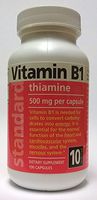
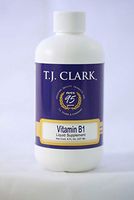
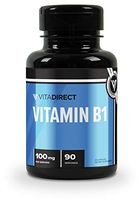
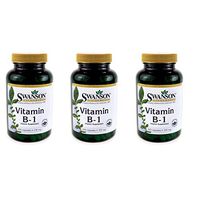
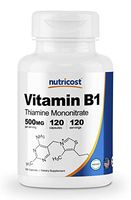
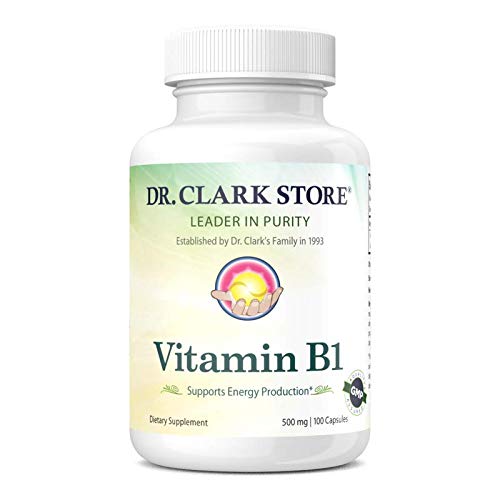
Dr. Clark Vitamin B1 Supplement, 500mg, 100 Capsules
Current Price
$26.67
Average
$25.91
Min Price
$24.19
Max Price
$29.21
Price dynamics
3%
Description
Vitamin B1, also known as thiamine, was one the first organic compounds to be recognized as a vitamin. Like all the other B complex vitamins, it is water soluble and not stored in the body. Rather, excess amounts of B1 will be excreted. And like the other B vitamins, it helps the body convert the foods we eat into usable fuel to maintain life-sustaining functions. Vitamin B1 must be in adequate supply for aerobic energy production to take place. This is the process in which sugar (glucose) is converted into usable energy. Vitamin B1 also plays roles in the nervous system where it promotes the healthy development of myelin sheaths, the material that surrounds and protects most nerves. Insufficient vitamin B1 intake can result in degradation and damage to the myelin sheath. Symptoms such as pain, prickly sensation, and deadened nerves may be linked to a vitamin B1 deficiency.* Thiamine is also needed for the production of acetylcholine, a neurotransmitter that relays messages between the nerves and the muscles. Acetlycholine’s importance in maintaining muscle tone makes vitamin B1 a significant nutrient in maintaining proper heart function because the heart is a muscle whose performance is vital to human life.*
Price will be lower
in next 2 weeks
in next 2 weeks
According to the data, price will be lower in next two weeks, so not waste your money and track better price!