Description
Mandragora officinarum, or mandrake, is an herb most famous for its root, which can grow up to 100 cm (39?), and often takes on an unusual shape. M. officinarum is a perennial plant whose lengthy and wide leaves grow directly from its roots once each spring. The leaves form a rosette, from the center of which bell-shaped blue or violet flowers grow, making this rosette uniquely identifiable to the mandrake. At all other times throughout the year the plant is hidden underground. The mandrake also produces yellow berries that smell fruity but are more similar in flavor to tomatoes, and its leaves smell much like fresh tobacco. Mandragora officinarum is found in Southern Europe, and is particularly common in Greece and Italy. It is also found in North Africa, the Middle East, and most Mediterranean islands. It thrives in dry, sunny areas, particularly around ancient temples, but is nevertheless one of the rarest plants in Europe. The mandrake holds a special distinction as being the most famous of all magical plants, due to its many ritual and medical uses and the immense amount of mythology it has generated. Historians have determined that the earliest known mention of the mandrake refers to its use in Babylon; various records are contained in the cuneiform tablets of the Assyrians and the Old Testament. The earliest evidence of ritualistic use occurs in an Ugaritic cuneiform text from Ras Shamra, dated between the fifteenth and fourteenth century B.C.E. There is also evidence in Mesopotamian cuneiform texts that mandrake root was combined with wine to create a psychoactive beverage called ?cow?s eye?. This unusual name can probably be attributed to the dilating effect this concoction had on the pupils.
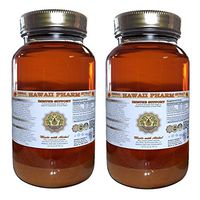
Mandrake Alcohol-Free Liquid Extract, Mandrake (Mandragora Officinarum) Dried Root Glycerite Natural Herbal Supplement, Hawaii Pharm, USA 15x4 oz
Current Price
$399.95
Average
$374.95
Min Price
$349.95
Max Price
$399.95
Price dynamics
6%
Description
Mandragora officinarum, or mandrake, is an herb most famous for its root, which can grow up to 100 cm (39?), and often takes on an unusual shape. M. officinarum is a perennial plant whose lengthy and wide leaves grow directly from its roots once each spring. The leaves form a rosette, from the center of which bell-shaped blue or violet flowers grow, making this rosette uniquely identifiable to the mandrake. At all other times throughout the year the plant is hidden underground. The mandrake also produces yellow berries that smell fruity but are more similar in flavor to tomatoes, and its leaves smell much like fresh tobacco. Mandragora officinarum is found in Southern Europe, and is particularly common in Greece and Italy. It is also found in North Africa, the Middle East, and most Mediterranean islands. It thrives in dry, sunny areas, particularly around ancient temples, but is nevertheless one of the rarest plants in Europe. The mandrake holds a special distinction as being the most famous of all magical plants, due to its many ritual and medical uses and the immense amount of mythology it has generated. Historians have determined that the earliest known mention of the mandrake refers to its use in Babylon; various records are contained in the cuneiform tablets of the Assyrians and the Old Testament. The earliest evidence of ritualistic use occurs in an Ugaritic cuneiform text from Ras Shamra, dated between the fifteenth and fourteenth century B.C.E. There is also evidence in Mesopotamian cuneiform texts that mandrake root was combined with wine to create a psychoactive beverage called ?cow?s eye?. This unusual name can probably be attributed to the dilating effect this concoction had on the pupils.
Price will be lower
in next 2 weeks
in next 2 weeks
According to the data, price will be lower in next two weeks, so not waste your money and track better price!

Similar products