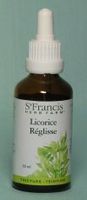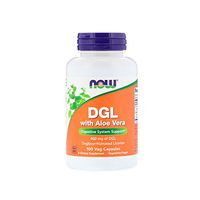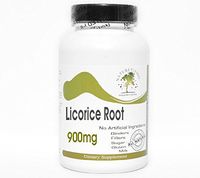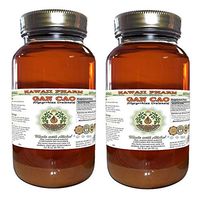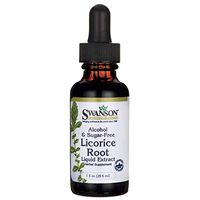
Description
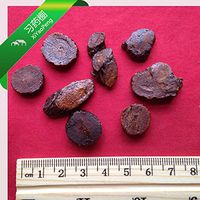
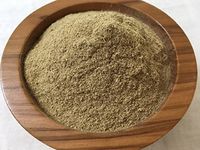
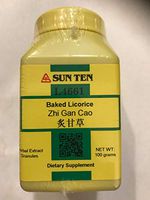
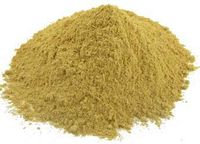
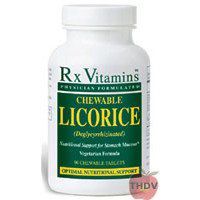
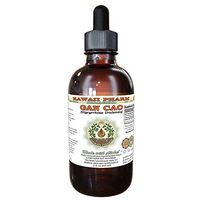
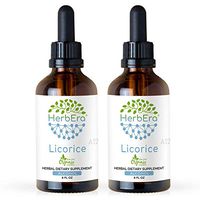
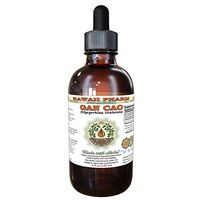
Extracted from: Dried root Herb:Alcohol Ratio- 1:4 Licorice root is one of the most widely used medicinal herbs worldwide and is the single most used herb in Chinese medicine today. It was used by the Egyptians as a flavoring for a drink called Mai-sus, and large quantities were found in the tomb of King Tut for his trip into the afterlife. Pliny the Elder recommended it to clear the voice and alleviate thirst and hunger. Dioscides, when traveling with Alexander the Great, recommended that his troops carry and use licorice to help with stamina for long marches, as well as for thirst in areas of drought. In the Middle Ages it was taken to alleviate the negative effects of highly spicy or overcooked food. It was also used for flavoring tobacco, and as a foaming agent in fire extinguishers and beer. Summary The root itself is hard and fibrous, and is thus typically used for food only as a liquid flavor infusion. In fact, many licorice flavored candies include no real licorice, and are instead flavored with similarly flavored spices such as anise and fennel. Medicinally, Chinese licorice is a renowned component of traditional Chinese medicine, and is recognized as one of its fifty fundamental herbs. It shares many of the constituents common with Glycyrrhiza glabra , but uniquely, it also contains the flavonoid quercitin, which has been studied for a variety of medical uses. Chinese licorice is not as well studied as its European counterpart, but both are indicated for many of the same functions. Licorice root may be used to assist with upper respiratory catarrhs and is recognized by traditional Chinese practitioners as an adaptogen, helping the body to cope with daily stress. It may also be used to relieve minor abdominal discomfort, and is used in the herbal preparation STW-5 to alleviate dyspepsia.
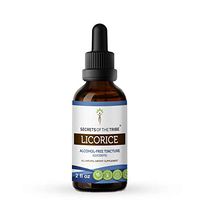
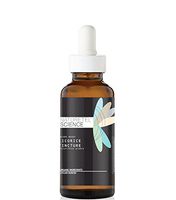
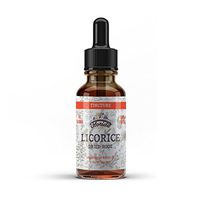
Mountain Rose Herbs - Licorice Extract 4 oz
Current Price
$75.99
Average
$75.99
Min Price
$75.99
Max Price
$75.99
Price dynamics
0%
Description
Extracted from: Dried root Herb:Alcohol Ratio- 1:4 Licorice root is one of the most widely used medicinal herbs worldwide and is the single most used herb in Chinese medicine today. It was used by the Egyptians as a flavoring for a drink called Mai-sus, and large quantities were found in the tomb of King Tut for his trip into the afterlife. Pliny the Elder recommended it to clear the voice and alleviate thirst and hunger. Dioscides, when traveling with Alexander the Great, recommended that his troops carry and use licorice to help with stamina for long marches, as well as for thirst in areas of drought. In the Middle Ages it was taken to alleviate the negative effects of highly spicy or overcooked food. It was also used for flavoring tobacco, and as a foaming agent in fire extinguishers and beer. Summary The root itself is hard and fibrous, and is thus typically used for food only as a liquid flavor infusion. In fact, many licorice flavored candies include no real licorice, and are instead flavored with similarly flavored spices such as anise and fennel. Medicinally, Chinese licorice is a renowned component of traditional Chinese medicine, and is recognized as one of its fifty fundamental herbs. It shares many of the constituents common with Glycyrrhiza glabra , but uniquely, it also contains the flavonoid quercitin, which has been studied for a variety of medical uses. Chinese licorice is not as well studied as its European counterpart, but both are indicated for many of the same functions. Licorice root may be used to assist with upper respiratory catarrhs and is recognized by traditional Chinese practitioners as an adaptogen, helping the body to cope with daily stress. It may also be used to relieve minor abdominal discomfort, and is used in the herbal preparation STW-5 to alleviate dyspepsia.
Price will be lower
in next 2 weeks
in next 2 weeks
According to the data, price will be lower in next two weeks, so not waste your money and track better price!