Description
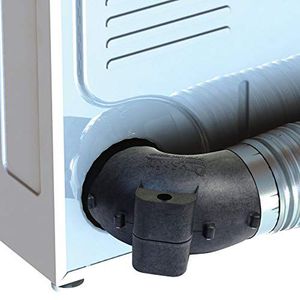
The Consumer Products Safety Commission warns there are over 40 dryers a day in the U.S.! If your dryer is taking too long to dry, its most likely due to lint buildup throughout your dryer’s exhaust vent, starting inside the dryer. This can cause your dryer to overheat and potentially start on fire. Lint buildup reduces airflow, causing dryers to take longer to dry clothes, waste energy, overload motors plus shorten their life span. DrySafer’s early alert Alarm warns you before these dangers occur. Lint Traps: Cleaning lint traps after every use helps. But excess lint bypasses the trap, blanketing the motor and heating elements, causing overheating and potential dryer fire. Dangerous Lint Buildup Restricts Airflow: Lint builds up everywhere: starting inside the dryer; to creases in spiral wire ribbing of plastic and aluminum foil vent hoses; throughout exhaust vents inside walls all the way to outside vent hoods. A lint fire can melt plastic ducting and start a house on fire. Kinked Ducts Limit Airflow: When dryers are forced against walls located in hallway closets or other tight locations, vent hoses get crushed, bent or kinked, trapping lint. Creased Elbows: Every twist and turn around ceilings and walls create another dangerous situation for lint to buildup. Dryer Exhaust Vent Hoods: Caked lint, bird nest, leaves and other debris clutter exhaust vent hoods, obstructing airflow from properly escaping. This creates back pressure plus heat and moisture, causing excessive wear to both dryer and clothing. When lint appears in your laundry area or clings to clothes after you’ve dried them, that's because lint cannot properly escape due to clogged vents. Pet hair can clog vents more quickly, producing an added fire hazard. Let DrySafer protect your family and provide you peace of mind.
NEW! DrySafer Dryer Lint Alarm PLUS
Price is below average
Current Price
$21
Average
$28.42
Min Price
$19.99
Max Price
$54.99
Price dynamics
26%
Description
The Consumer Products Safety Commission warns there are over 40 dryers a day in the U.S.! If your dryer is taking too long to dry, its most likely due to lint buildup throughout your dryer’s exhaust vent, starting inside the dryer. This can cause your dryer to overheat and potentially start on fire. Lint buildup reduces airflow, causing dryers to take longer to dry clothes, waste energy, overload motors plus shorten their life span. DrySafer’s early alert Alarm warns you before these dangers occur. Lint Traps: Cleaning lint traps after every use helps. But excess lint bypasses the trap, blanketing the motor and heating elements, causing overheating and potential dryer fire. Dangerous Lint Buildup Restricts Airflow: Lint builds up everywhere: starting inside the dryer; to creases in spiral wire ribbing of plastic and aluminum foil vent hoses; throughout exhaust vents inside walls all the way to outside vent hoods. A lint fire can melt plastic ducting and start a house on fire. Kinked Ducts Limit Airflow: When dryers are forced against walls located in hallway closets or other tight locations, vent hoses get crushed, bent or kinked, trapping lint. Creased Elbows: Every twist and turn around ceilings and walls create another dangerous situation for lint to buildup. Dryer Exhaust Vent Hoods: Caked lint, bird nest, leaves and other debris clutter exhaust vent hoods, obstructing airflow from properly escaping. This creates back pressure plus heat and moisture, causing excessive wear to both dryer and clothing. When lint appears in your laundry area or clings to clothes after you’ve dried them, that's because lint cannot properly escape due to clogged vents. Pet hair can clog vents more quickly, producing an added fire hazard. Let DrySafer protect your family and provide you peace of mind.
Price will be lower
in next 2 weeks
in next 2 weeks
According to the data, price will be lower in next two weeks, so not waste your money and track better price!

Similar products