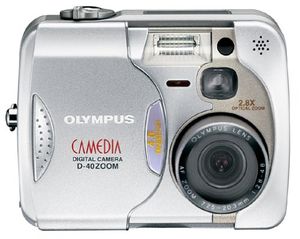
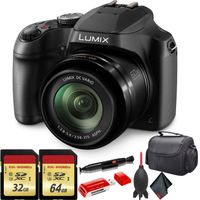
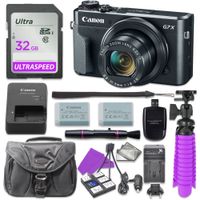
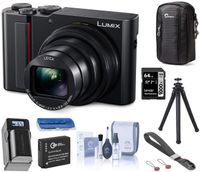
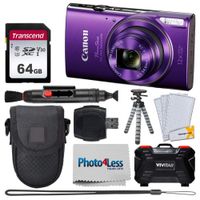
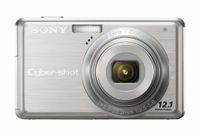
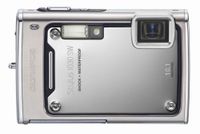
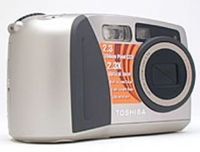
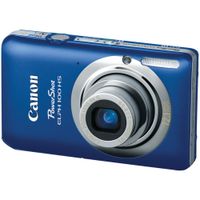
Until now, choosing a digital camera has meant a tradeoff between size and functionality. The feature-packed, high-resolution SLR replacements were too big to tuck in a pocket or purse, and the ultracompact models lacked the extensive manual controls many advanced photographers desire. With the D-40, Olympus has bridged the gap between portability and power--it's one of the smallest digital cameras on the market, yet it includes virtually all of the advanced features found on full-size models. Compared to an ultracompact like the Canon Elph, the D-40 is the same width, about half an inch taller, and three-fourths of an inch thicker--still small enough to easily slip into a jacket pocket, and less than half the size of most compact models. Despite the tiny dimensions, Olympus packs a 4-megapixel sensor, 2.8x optical zoom lens, full manual controls, and a movie mode with audio into the camera's small plastic body. The trademark Olympus sliding clamshell cover turns the camera on and off, and also protects the lens, viewfinder, and flash when closed.
Images are stored on SmartMedia cards. A 16 MB card is included, which holds 16 images at default settings. If you want to take advantage of uncompressed mode and movie mode, or plan to take more than a handful of photos at a time, you'll want to get a 64 MB or 128 MB card. Like virtually all Olympus cameras, the D-40 has a flexible battery arrangement, accepting either a disposable lithium battery (one is included), or a pair of AA batteries (rechargeables strongly recommended).
This is a camera you won't quickly outgrow. If you're just getting started in photography, leave the camera in Auto. In this mode, taking pictures is as easy as sliding the lens cover open and pressing the button. As your photo skills progress, you can start taking advantage of the camera's advanced modes, including shutter priority, aperture priority, and full manual modes, plus manual focus, slow-sync flash, spot metering, manually a