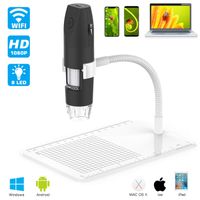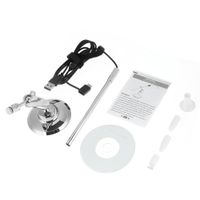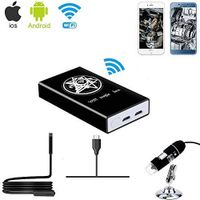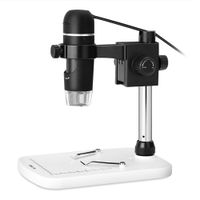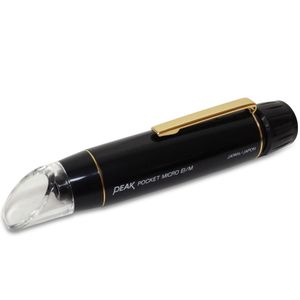
The PEAK TS2050-075 pocket-size 75x erected-image model (EIM) measuring microscope has a metric-scale reticle with 0.010mm scale divisions, a 1.0mm measuring range, and a 1.10mm (0.040") field of view, and is used to measure objects in field, lab, and quality control applications. The microscope has a prism that displays images true-to-life rather than inverted. The clear acrylic base and high-resolution, color-corrected glass lens and provide maximum light and full contrast. Separate focus control for the reticle and object provide sharp focus for accurate scale readings. The microscope is 4-15/32 x 1/2 inches (H x W). (H is height, the vertical distance from the lowest to highest point; W is width, the horizontal distance from left to right.)
Specifications
| Power | 75x |
| Field of view | 1.10mm |
| Measuring range | 1.0mm |
| Scale division | 0.010mm |
| Dimensions* | 4-15/32 x 1/2 inches (H x W) |
*H is height, the vertical distance from the lowest to highest point; W is width, the horizontal distance from left to right.
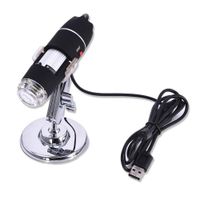
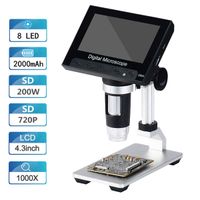
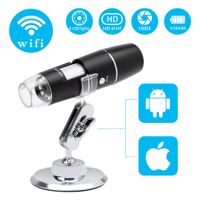
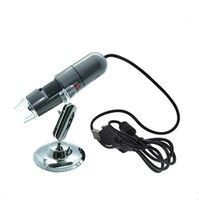
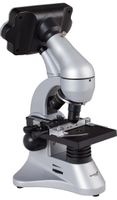
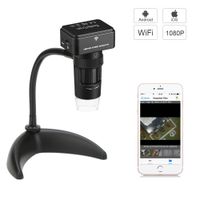
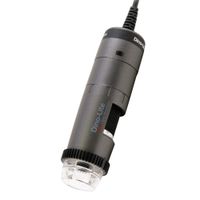
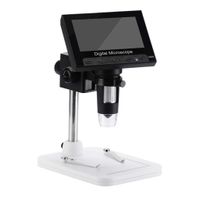
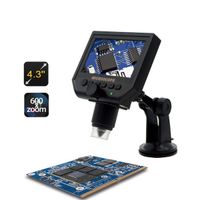
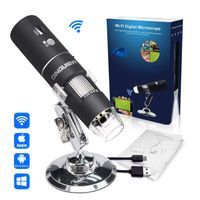
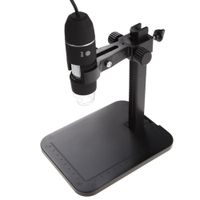
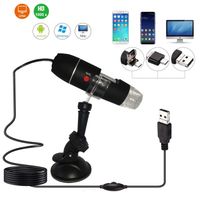
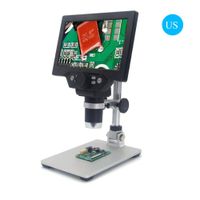
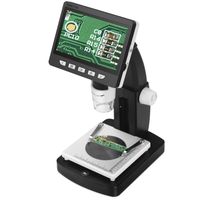
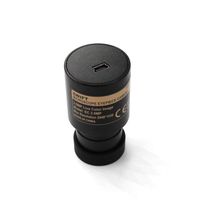
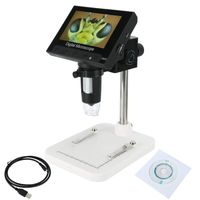
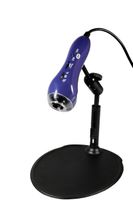
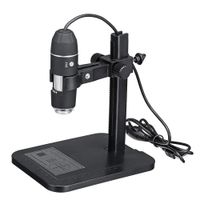
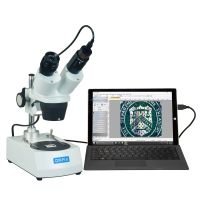
Microscopes are instruments used to enhance the resolution of an object or image. Types include compound, stereo, or digital. Compound microscopes use a compound optical system with an objective lens and an eyepiece. Stereo microscopes show object depth in a three-dimensional image. Digital microscopes are used to display an image on a monitor, rather than looking through a lens. Microscopes can have monocular (one), binocular (two), or trinocular (three) eyepieces, with varying magnification abilities. Magnification ability refers to the size of an image. Resolution, also known as resolvant power, refers to the clarity of the image. The interaction between field of view (FOV
PEAK TS2050-075 Pocket Erect Image Measuring Microscope, 75X Magnification, 1.10mm Field of View
The PEAK TS2050-075 pocket-size 75x erected-image model (EIM) measuring microscope has a metric-scale reticle with 0.010mm scale divisions, a 1.0mm measuring range, and a 1.10mm (0.040") field of view, and is used to measure objects in field, lab, and quality control applications. The microscope has a prism that displays images true-to-life rather than inverted. The clear acrylic base and high-resolution, color-corrected glass lens and provide maximum light and full contrast. Separate focus control for the reticle and object provide sharp focus for accurate scale readings. The microscope is 4-15/32 x 1/2 inches (H x W). (H is height, the vertical distance from the lowest to highest point; W is width, the horizontal distance from left to right.)
Specifications
| Power | 75x |
| Field of view | 1.10mm |
| Measuring range | 1.0mm |
| Scale division | 0.010mm |
| Dimensions* | 4-15/32 x 1/2 inches (H x W) |
*H is height, the vertical distance from the lowest to highest point; W is width, the horizontal distance from left to right.
Microscopes are instruments used to enhance the resolution of an object or image. Types include compound, stereo, or digital. Compound microscopes use a compound optical system with an objective lens and an eyepiece. Stereo microscopes show object depth in a three-dimensional image. Digital microscopes are used to display an image on a monitor, rather than looking through a lens. Microscopes can have monocular (one), binocular (two), or trinocular (three) eyepieces, with varying magnification abilities. Magnification ability refers to the size of an image. Resolution, also known as resolvant power, refers to the clarity of the image. The interaction between field of view (FOV
in next 2 weeks
By clicking "Accept All", you consent to our use of cookies.