Description
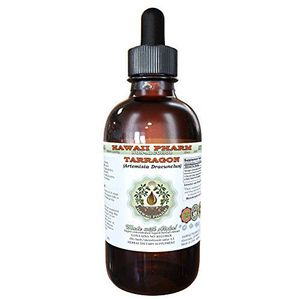
Tarragon is an aromatic Eurasian perennial cultivated for its sweet, anise-like flavor. Its Latin name, dracunculus, means ?little dragon? and is derived from the medieval belief that the shape of a plant reflected its uses (the Doctrine of Signatures). Because its roots appear serpentine, medieval herbalists regarded tarragon as a treatment for snakebite. Today tarragon is not widely used medicinally, but the fresh leaves and stems are used in cooking, and at least one master chef has declared that scrambled eggs with the right amount of tarragon are a bit of heaven. Tarragon imparts its flavor readily, and is one of the herbs often used in making flavored vinegars and oils. While dried tarragon is sometimes used as a seasoning, the drying loses much of the flavor of the herb. Instead, many herbalists recommend starting a plant from a cutting to keep inside throughout the winter. Tarragon contains phenylpropanoids methyl chavicol (also called estragole), anethol (10%), terpenes trans-b-ocimene (up to 22%), cis-b-ocimene (up to 15%) and y-terpineol, p-methoxy cinnamaldehyde , phellandrene, a- and b-pinene, camphene, limonene and eugenol.
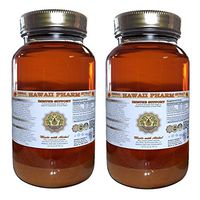
Tarragon Alcohol-Free Liquid Extract, Tarragon (Artemisia Dracunclus) Dried Leaf Glycerite Natural Herbal Supplement, Hawaii Pharm, USA 4 fl.oz
Current Price
$33.95
Average
$31.95
Min Price
$29.95
Max Price
$33.95
Price dynamics
6%
Description
Tarragon is an aromatic Eurasian perennial cultivated for its sweet, anise-like flavor. Its Latin name, dracunculus, means ?little dragon? and is derived from the medieval belief that the shape of a plant reflected its uses (the Doctrine of Signatures). Because its roots appear serpentine, medieval herbalists regarded tarragon as a treatment for snakebite. Today tarragon is not widely used medicinally, but the fresh leaves and stems are used in cooking, and at least one master chef has declared that scrambled eggs with the right amount of tarragon are a bit of heaven. Tarragon imparts its flavor readily, and is one of the herbs often used in making flavored vinegars and oils. While dried tarragon is sometimes used as a seasoning, the drying loses much of the flavor of the herb. Instead, many herbalists recommend starting a plant from a cutting to keep inside throughout the winter. Tarragon contains phenylpropanoids methyl chavicol (also called estragole), anethol (10%), terpenes trans-b-ocimene (up to 22%), cis-b-ocimene (up to 15%) and y-terpineol, p-methoxy cinnamaldehyde , phellandrene, a- and b-pinene, camphene, limonene and eugenol.
Price will be lower
in next 2 weeks
in next 2 weeks
According to the data, price will be lower in next two weeks, so not waste your money and track better price!
Similar products