Description
Why Do I Need a UV Filter
In the days of film the value of placing a UV filter in front of your lens was never questioned. In addition to dampening the image-robbing effects of atmospheric ultraviolet radiation, UV filters also served to protect the front element of your lens from dust and moisture. They also repelled the inevitable smudges and scratches that over time compromise the effectiveness of the anti-reflective coatings that go into determining how well (or not so well) your pictures turn out. Fast-forward to the modern days of digital imaging and the big argument is: "do we still need UV filters?" The answer is an unqualified "Yes." Despite the fact that digital imaging sensors are nowhere near as sensitive to UV radiation as film, the protective properties of a UV filter on your lens are still quite justified. Regardless of how the image is being recorded, the probability of dust, moisture, smudges and scratches finding their image-compromising way onto your front lens element is equally inevitable and troublesome.
What Is UV (ultraviolet) Light?
The visual spectrum-the light we see with our eyes-consists of the colors red, orange, yellow, green, blue, indigo and violet. Mix them together and you get "white" light. The electromagnetic wavelengths of light are measured in terms of nanometers (nm), with the visual spectrum residing in the 390 to 750nm portion of the electromagnetic bandwidth. Just below the red end of the visual spectrum is infrared (approx 750nm to 1mm) and ultraviolet light resides just above the blue end of the visual spectrum (approx 10nm to 390nm). While we cannot see UV light, it nonetheless impacts the visual quality of the pictures we take.
About our filters
Our Filters are manufactured from high-quality solid optical materials. Each individual filter is heat-treated to avoid any rare movement or distortion.As a lens protector, it should be left on at all times.
In the days of film the value of placing a UV filter in front of your lens was never questioned. In addition to dampening the image-robbing effects of atmospheric ultraviolet radiation, UV filters also served to protect the front element of your lens from dust and moisture. They also repelled the inevitable smudges and scratches that over time compromise the effectiveness of the anti-reflective coatings that go into determining how well (or not so well) your pictures turn out. Fast-forward to the modern days of digital imaging and the big argument is: "do we still need UV filters?" The answer is an unqualified "Yes." Despite the fact that digital imaging sensors are nowhere near as sensitive to UV radiation as film, the protective properties of a UV filter on your lens are still quite justified. Regardless of how the image is being recorded, the probability of dust, moisture, smudges and scratches finding their image-compromising way onto your front lens element is equally inevitable and troublesome.
What Is UV (ultraviolet) Light?
The visual spectrum-the light we see with our eyes-consists of the colors red, orange, yellow, green, blue, indigo and violet. Mix them together and you get "white" light. The electromagnetic wavelengths of light are measured in terms of nanometers (nm), with the visual spectrum residing in the 390 to 750nm portion of the electromagnetic bandwidth. Just below the red end of the visual spectrum is infrared (approx 750nm to 1mm) and ultraviolet light resides just above the blue end of the visual spectrum (approx 10nm to 390nm). While we cannot see UV light, it nonetheless impacts the visual quality of the pictures we take.
About our filters
Our Filters are manufactured from high-quality solid optical materials. Each individual filter is heat-treated to avoid any rare movement or distortion.As a lens protector, it should be left on at all times.
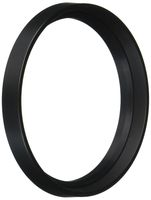
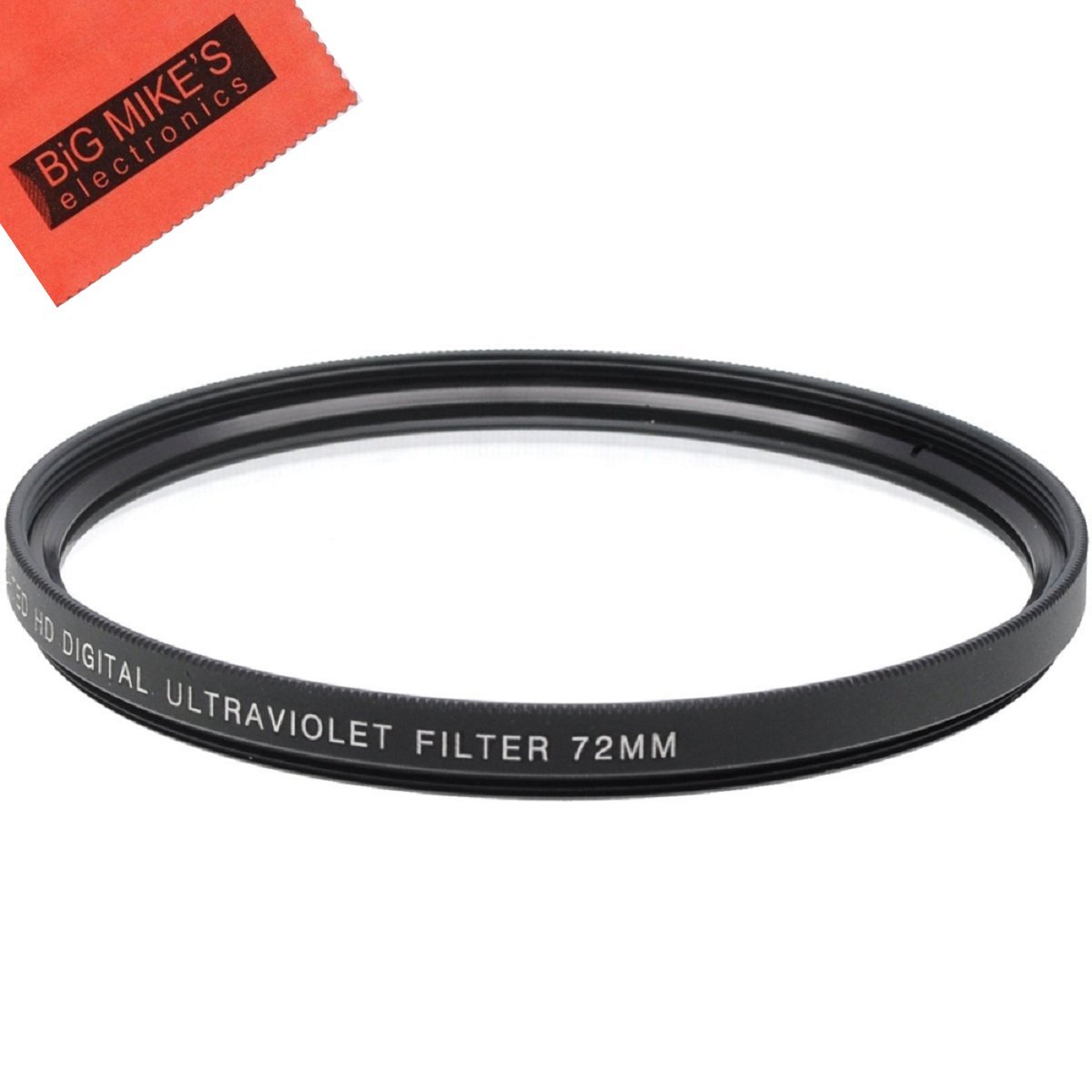
72MM Multi-Coated UV Protective Filter for Sony Cyber?Shot DSC-RX10 III, DSC-RX10 IV Digital Cameras
Current Price
$7.99
Average
$6.49
Min Price
$4.99
Max Price
$7.99
Price dynamics
19%
Description
Why Do I Need a UV Filter
In the days of film the value of placing a UV filter in front of your lens was never questioned. In addition to dampening the image-robbing effects of atmospheric ultraviolet radiation, UV filters also served to protect the front element of your lens from dust and moisture. They also repelled the inevitable smudges and scratches that over time compromise the effectiveness of the anti-reflective coatings that go into determining how well (or not so well) your pictures turn out. Fast-forward to the modern days of digital imaging and the big argument is: "do we still need UV filters?" The answer is an unqualified "Yes." Despite the fact that digital imaging sensors are nowhere near as sensitive to UV radiation as film, the protective properties of a UV filter on your lens are still quite justified. Regardless of how the image is being recorded, the probability of dust, moisture, smudges and scratches finding their image-compromising way onto your front lens element is equally inevitable and troublesome.
What Is UV (ultraviolet) Light?
The visual spectrum-the light we see with our eyes-consists of the colors red, orange, yellow, green, blue, indigo and violet. Mix them together and you get "white" light. The electromagnetic wavelengths of light are measured in terms of nanometers (nm), with the visual spectrum residing in the 390 to 750nm portion of the electromagnetic bandwidth. Just below the red end of the visual spectrum is infrared (approx 750nm to 1mm) and ultraviolet light resides just above the blue end of the visual spectrum (approx 10nm to 390nm). While we cannot see UV light, it nonetheless impacts the visual quality of the pictures we take.
About our filters
Our Filters are manufactured from high-quality solid optical materials. Each individual filter is heat-treated to avoid any rare movement or distortion.As a lens protector, it should be left on at all times.
In the days of film the value of placing a UV filter in front of your lens was never questioned. In addition to dampening the image-robbing effects of atmospheric ultraviolet radiation, UV filters also served to protect the front element of your lens from dust and moisture. They also repelled the inevitable smudges and scratches that over time compromise the effectiveness of the anti-reflective coatings that go into determining how well (or not so well) your pictures turn out. Fast-forward to the modern days of digital imaging and the big argument is: "do we still need UV filters?" The answer is an unqualified "Yes." Despite the fact that digital imaging sensors are nowhere near as sensitive to UV radiation as film, the protective properties of a UV filter on your lens are still quite justified. Regardless of how the image is being recorded, the probability of dust, moisture, smudges and scratches finding their image-compromising way onto your front lens element is equally inevitable and troublesome.
What Is UV (ultraviolet) Light?
The visual spectrum-the light we see with our eyes-consists of the colors red, orange, yellow, green, blue, indigo and violet. Mix them together and you get "white" light. The electromagnetic wavelengths of light are measured in terms of nanometers (nm), with the visual spectrum residing in the 390 to 750nm portion of the electromagnetic bandwidth. Just below the red end of the visual spectrum is infrared (approx 750nm to 1mm) and ultraviolet light resides just above the blue end of the visual spectrum (approx 10nm to 390nm). While we cannot see UV light, it nonetheless impacts the visual quality of the pictures we take.
About our filters
Our Filters are manufactured from high-quality solid optical materials. Each individual filter is heat-treated to avoid any rare movement or distortion.As a lens protector, it should be left on at all times.
Price will be lower
in next 2 weeks
in next 2 weeks
According to the data, price will be lower in next two weeks, so not waste your money and track better price!
Product review & video
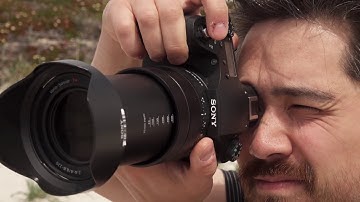
so I'm trying to be incognito here but I just want you guys to know at home for the rest of this trip I'm gonna take creeper shots with this camera because this is a perfect creeper camp but I'm only gonna creep on on the fellow press so we'll see what we get here without them knowing [Music] welcome back DP review TV viewers it's Cristobal's here from DP review and we are coming to you from beautiful Monterey California now I should say we're actually out here for the sony condo trip you know they're they're being really great they flew us out here they put us off we are gonna review the RX 10 mark 4 so I want to mention Jordans actually shooting the whole episode on his rx 10 mark 4 as well so you're gonna see the footage from that and he's doing it handheld with autofocus which is again something he hates to do it should be a good test or it's gonna look like crap I don't know and I

Similar products