Description
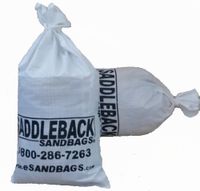
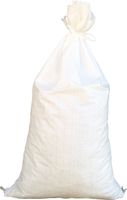
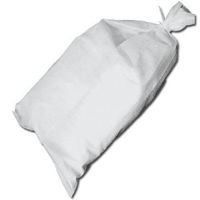
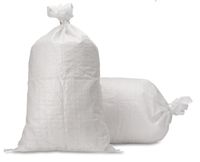
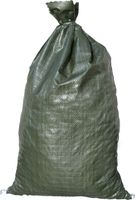
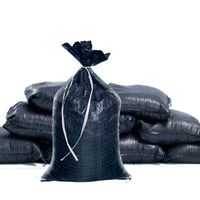
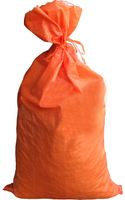
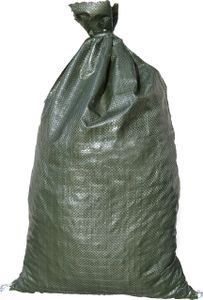
Heavy duty, with UV protection: Our rugged Sandbaggy sandbags are made with thick weaves allowing for heavy-duty applications like sandbagging, landscaping, construction, and building flood barriers. The weave count is 10x10. Our tough, coarsely-woven sandbags can be used for so many different applications. Made with 1600 hours of UV protection, these sandbags can sit under the sun for six months before they begin to degrade.
Sandbags Filling Tips:
1. Fill sandbags ½ to ⅔ full and tie the bag at the top (lay flat when in place). This sandbag should weigh between 35-40 lbs. An overfilled sandbag weighs between 60-75 lbs and will leave gaps which will allow water to seep through.
2. Always wear gloves during filling operation to avoid hand injuries and protect from contaminants in sand and floodwater. Safety goggles should be used on dry and windy days. Filling sandbags is physically demanding work and can easily cause back and other injuries if not careful. Always lift with your legs and not your back. Do not reach out, bend over, or twist when lifting.
3. Do not throw sandbags - it stresses the back and shoulders. Rather use a brigade line to pass bags
4. Use a short handled, #2 rounded point shovel with straight shaft and D grip, bagger scoop or funnel to fill sandbags.
5. Remove any debris from the areas where the sandbags will be placed. After placing the sandbag, walk on sandbags to create a tight seal between each bag.
Fill Materials
- Sandbaggy sandbags are built to withstand both gravel or sand. Be aware of poor quality sandbags that rupture when filled with sharp gravel rocks.
- Gravel should be filled in sandbag when used as an erosion control device (on slopes). Sand should be filled for flood control needs, whether to protect doors or garage or to divert water. If sand or gravel is not accessible, less effective solutions is to fill the sandbags with backyard soil.
Sandbags Filling Tips:
1. Fill sandbags ½ to ⅔ full and tie the bag at the top (lay flat when in place). This sandbag should weigh between 35-40 lbs. An overfilled sandbag weighs between 60-75 lbs and will leave gaps which will allow water to seep through.
2. Always wear gloves during filling operation to avoid hand injuries and protect from contaminants in sand and floodwater. Safety goggles should be used on dry and windy days. Filling sandbags is physically demanding work and can easily cause back and other injuries if not careful. Always lift with your legs and not your back. Do not reach out, bend over, or twist when lifting.
3. Do not throw sandbags - it stresses the back and shoulders. Rather use a brigade line to pass bags
4. Use a short handled, #2 rounded point shovel with straight shaft and D grip, bagger scoop or funnel to fill sandbags.
5. Remove any debris from the areas where the sandbags will be placed. After placing the sandbag, walk on sandbags to create a tight seal between each bag.
Fill Materials
- Sandbaggy sandbags are built to withstand both gravel or sand. Be aware of poor quality sandbags that rupture when filled with sharp gravel rocks.
- Gravel should be filled in sandbag when used as an erosion control device (on slopes). Sand should be filled for flood control needs, whether to protect doors or garage or to divert water. If sand or gravel is not accessible, less effective solutions is to fill the sandbags with backyard soil.
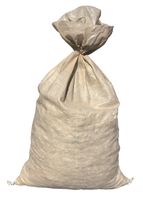
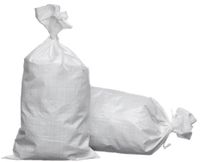
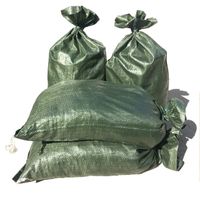
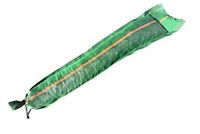
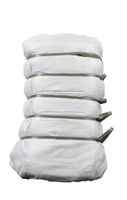
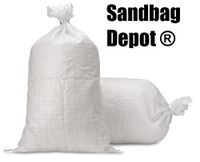
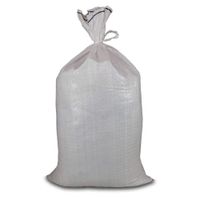
Sandbaggy 5 Green Sandbags - 14" x 26" Empty - Sandbags for Flooding - Sand Bag - Flood Water Barrier - Water Curb - Tent Sandbags - Store Bags
Price is below average
Current Price
$7.99
Average
$11.49
Min Price
$7.99
Max Price
$14.99
Price dynamics
30%
Description
Heavy duty, with UV protection: Our rugged Sandbaggy sandbags are made with thick weaves allowing for heavy-duty applications like sandbagging, landscaping, construction, and building flood barriers. The weave count is 10x10. Our tough, coarsely-woven sandbags can be used for so many different applications. Made with 1600 hours of UV protection, these sandbags can sit under the sun for six months before they begin to degrade.
Sandbags Filling Tips:
1. Fill sandbags ½ to ⅔ full and tie the bag at the top (lay flat when in place). This sandbag should weigh between 35-40 lbs. An overfilled sandbag weighs between 60-75 lbs and will leave gaps which will allow water to seep through.
2. Always wear gloves during filling operation to avoid hand injuries and protect from contaminants in sand and floodwater. Safety goggles should be used on dry and windy days. Filling sandbags is physically demanding work and can easily cause back and other injuries if not careful. Always lift with your legs and not your back. Do not reach out, bend over, or twist when lifting.
3. Do not throw sandbags - it stresses the back and shoulders. Rather use a brigade line to pass bags
4. Use a short handled, #2 rounded point shovel with straight shaft and D grip, bagger scoop or funnel to fill sandbags.
5. Remove any debris from the areas where the sandbags will be placed. After placing the sandbag, walk on sandbags to create a tight seal between each bag.
Fill Materials
- Sandbaggy sandbags are built to withstand both gravel or sand. Be aware of poor quality sandbags that rupture when filled with sharp gravel rocks.
- Gravel should be filled in sandbag when used as an erosion control device (on slopes). Sand should be filled for flood control needs, whether to protect doors or garage or to divert water. If sand or gravel is not accessible, less effective solutions is to fill the sandbags with backyard soil.
Sandbags Filling Tips:
1. Fill sandbags ½ to ⅔ full and tie the bag at the top (lay flat when in place). This sandbag should weigh between 35-40 lbs. An overfilled sandbag weighs between 60-75 lbs and will leave gaps which will allow water to seep through.
2. Always wear gloves during filling operation to avoid hand injuries and protect from contaminants in sand and floodwater. Safety goggles should be used on dry and windy days. Filling sandbags is physically demanding work and can easily cause back and other injuries if not careful. Always lift with your legs and not your back. Do not reach out, bend over, or twist when lifting.
3. Do not throw sandbags - it stresses the back and shoulders. Rather use a brigade line to pass bags
4. Use a short handled, #2 rounded point shovel with straight shaft and D grip, bagger scoop or funnel to fill sandbags.
5. Remove any debris from the areas where the sandbags will be placed. After placing the sandbag, walk on sandbags to create a tight seal between each bag.
Fill Materials
- Sandbaggy sandbags are built to withstand both gravel or sand. Be aware of poor quality sandbags that rupture when filled with sharp gravel rocks.
- Gravel should be filled in sandbag when used as an erosion control device (on slopes). Sand should be filled for flood control needs, whether to protect doors or garage or to divert water. If sand or gravel is not accessible, less effective solutions is to fill the sandbags with backyard soil.
Price will be lower
in next 2 weeks
in next 2 weeks
According to the data, price will be lower in next two weeks, so not waste your money and track better price!
Product review & video
according to FEMA flooding is the most common natural disaster in the United States and it can happen anywhere not only near rivers and creeks but also after heavy rains large snow melts and hurricanes [Music] that's where sandbagging comes in this flood prevention technique has been around for centuries it can help divert and stop water from getting inside exposed doors and around foundations sandbagging is pretty simple you need a bag typically made out of burlap and a coarse type sand but there are other products on the market that can act as sandbags and are easier for homeowners to maneuver lift in place we're going to be using one of these products today but the same tips and techniques to replacement apply no matter what type of bag you're using entryways and low-lying areas are the most important spots for building your barriers if you need to completely surround your home exper


Similar products