Description
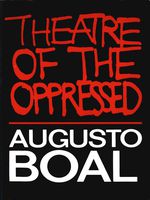
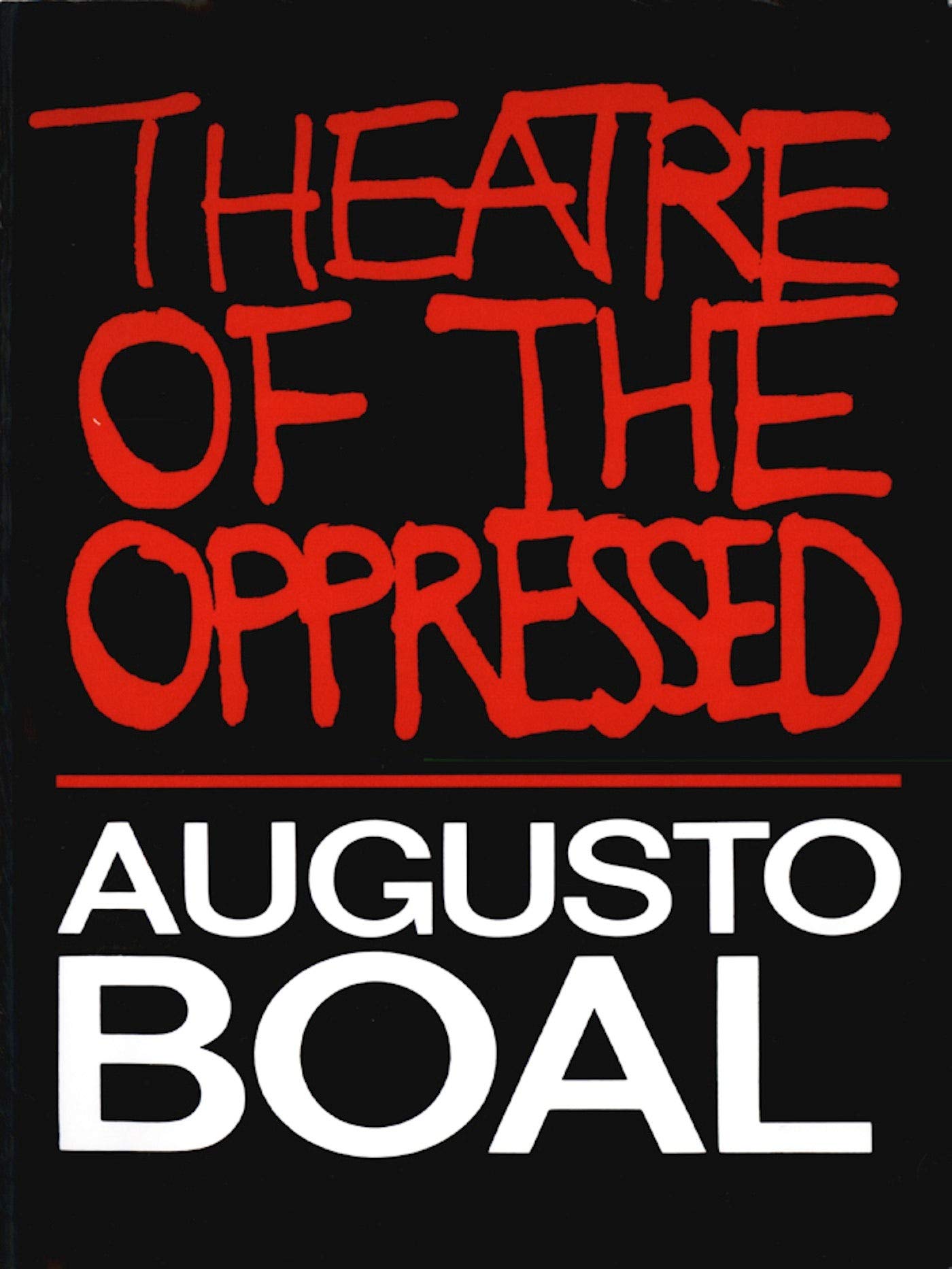
Is the fundamental relationship between an actor and an audience an equal and active one, or is it a situation that encourages passivity and division? This is the question at the heart of Augusto Boal's revolutionary Theatre of the Oppressed, originally published in 1979. Boal, a Brazilian artist and activist, has written a work that challenges the very premise of Western theater, starting with Aristotle and the first dramatists, and explores what social constructs lie behind the traditional theater form. Then, having explained such often invoked (but rarely scrutinized) terms as imitation, tragedy, and justice, he puts forward a new type of drama that bridges the long-existing gap between theater and politics. Central to his thesis is an attempt to bring spectators into an active role with the drama, encouraging them to comment on the social situations they see presented and suggest potentials for change. Other chapters explore the writings of Hegel and Brecht, along with a lengthy analysis of one of the most profound political thinkers to ever pen a play, Machiavelli and his bitter comedy Mandragola. Boal's book is a challenging one for American actors often politically naive and heavily schooled in the traditions of Stanislavsky-based "naturalism," but this text is vital reading for activists, progressives, and all artists trying to effect social change. --John Longenbaugh
Theatre of the Oppressed
Price is below average
Current Price
$10.41
Average
$12.3
Min Price
$10.35
Max Price
$15.95
Price dynamics
15%
Description
Is the fundamental relationship between an actor and an audience an equal and active one, or is it a situation that encourages passivity and division? This is the question at the heart of Augusto Boal's revolutionary Theatre of the Oppressed, originally published in 1979. Boal, a Brazilian artist and activist, has written a work that challenges the very premise of Western theater, starting with Aristotle and the first dramatists, and explores what social constructs lie behind the traditional theater form. Then, having explained such often invoked (but rarely scrutinized) terms as imitation, tragedy, and justice, he puts forward a new type of drama that bridges the long-existing gap between theater and politics. Central to his thesis is an attempt to bring spectators into an active role with the drama, encouraging them to comment on the social situations they see presented and suggest potentials for change. Other chapters explore the writings of Hegel and Brecht, along with a lengthy analysis of one of the most profound political thinkers to ever pen a play, Machiavelli and his bitter comedy Mandragola. Boal's book is a challenging one for American actors often politically naive and heavily schooled in the traditions of Stanislavsky-based "naturalism," but this text is vital reading for activists, progressives, and all artists trying to effect social change. --John Longenbaugh
Price will be lower
in next 2 weeks
in next 2 weeks
According to the data, price will be lower in next two weeks, so not waste your money and track better price!